
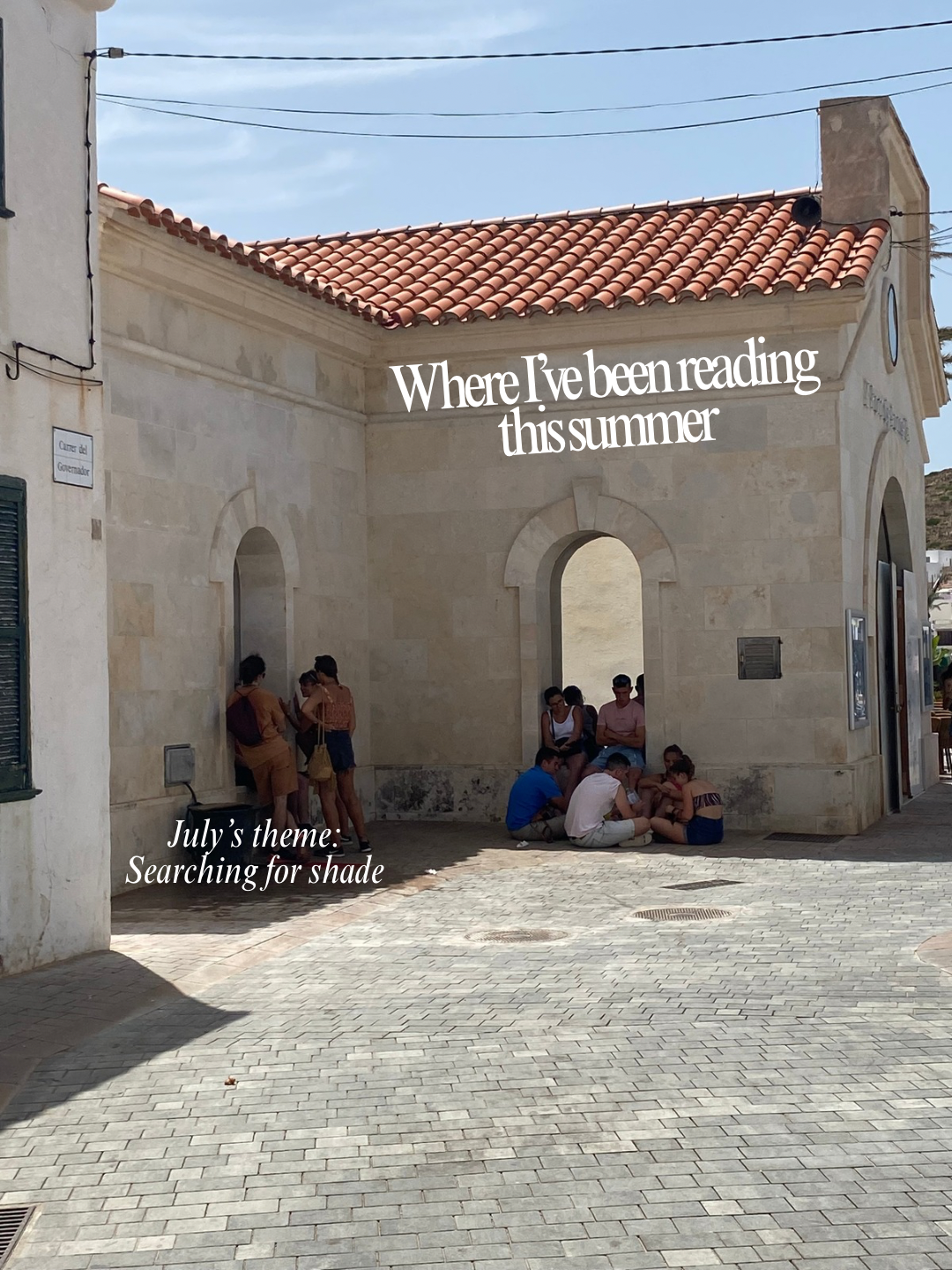
Staying in the hotel room was never an option, and soaring temperatures across western Europe quickly pushed back my plans to read by the coast. While wandering cobblestone towns where the day’s heat lingered long after the sun had moved on, I found myself searching for any patch of shade or open temple where I could read without removing myself from the places I had travelled to experience.
Churches, Chapels and Cathedrals

I stepped inside a chapel in Dijon because I couldn’t take another minute in the sun. Ten seconds later, I understood why churches across Europe have become refuges during the summer heat.
Churches open their doors to anyone seeking shelter. Stone walls that have stood for centuries naturally regulate the temperature, turning an unbearable 45°C afternoon into a room that feels closer to 20°C. From 113°F to 68°F. While many modern buildings rely entirely on air conditioning, Europe’s quarried stone, brick, and timber create remarkably cool interiors through their construction alone.
During heatwaves, they become more than places of worship. Schoolchildren are relocated into churches to continue lessons and sit end-of-year exams. Historic cathedrals become sanctuaries for travellers, crypts are repurposed as places to rest, and locals step inside simply to escape the relentless sun. Throughout the UK, France, Italy, and Spain, I found chapels that welcomed quiet visitors without judgement. They became the perfect place to disappear into books set within the very landscapes that surrounded me.
Riverbanks

I only allowed myself thirty minutes of reading inside churches out of respect, and riverbanks became the second option. It quickly became a daily ritual.
Whether you settle beneath the shade of riverside trees or cool off with a swim before drying within minutes, reading beside the water proved to be the locals’ answer to the heat. In Basel, Switzerland, residents float down the Rhine on their commute, allowing the current to carry them through the city. Life shifted towards the water as narrow streets and open squares emptied beneath the afternoon sun.
By two in the afternoon, every bench in the shade along the river had already been claimed. The sunken promenade became the next best option.
Every sigh and expression of discomfort bound everyone together, as we collectively reconsidered our plans and searched for somewhere, anywhere, that felt bearable.
Train Rides

Between cities, air-conditioned trains became a luxury. Hours of travel transformed into a sanctuary between destinations, a chance to collect myself before stepping back into even warmer temperatures.
I soon realised the mistake of travelling from north to south. Each station seemed a few degrees warmer than the last, and you could feel the difference the moment the doors opened. The final stretch became a tour through saunas, each stop hotter than the one before. The Finnish sauna always comes last. In my case, Spain was the last stop. I’m not convinced I adapted in time.
Some trains, however, became deserts on wheels. Elderly passengers fanned themselves with newspapers, strangers shared water and snacks between carriages, and those without reservations lay beside the doors wherever there was space. Judgement quietly disappeared.
Tucked-away Cafés

This option remained the most optimistic. Some cafés installed high-pressure misting systems or patio fans that made lingering over a coffee almost comfortable. Fountains filled with children darting through the jets, while adults slowly abandoned any embarrassment once the first person stepped in. The Avalanche Effect quickly took hold. One person did it, and everyone else followed.
Museums, Galleries and Exhibitions

Museums became another refuge. Many offered free exhibitions, but what stayed with me most wasn’t the art. Workers briefly stopped being attendants and simply became people looking after other people.
“Come in, take a break and sit down.”
Those words were repeated everywhere. Titles were dropped and etiquette went out the window in the name of helping one another.
Beaches and Coves

Eventually, we reached the coast.
The temperature eased, humidity replaced the dry inland heat, and the Mediterranean breeze made everything feel more manageable. The sea itself, now reaching between 22°C and 27°C (72°F to 81°F) during the summer, no longer offered much relief, but reading beside it certainly did.
When you weren’t avoiding the jellyfish drifting closer to shore for the very same reason we had, there were few better places to spend an afternoon with a book.
If Europe’s summers continue to grow hotter, these won’t just be the best places to read. They’ll become some of the best places to simply exist for a while.
If you’re looking for books to take on your summer travels, you might also enjoy my list of books you can finish in a beach day.


Leave a Reply